Filmmaking
Lighting Design
On Set: A Day in the Life of a Commercial Shoot
A behind-the-scenes look at how a commercial production day actually runs, from call time to wrap.
7
mins read
An article by

Marie Oudghiri
Head of Production
From the outside, a commercial shoot can look like beautiful chaos — cables everywhere, people moving with purpose you can’t quite decode, long stretches of waiting punctuated by bursts of intense activity. From the inside, it’s one of the most tightly choreographed things we do. Every minute on set is expensive, so nothing is left to chance.
Call time and the quiet before
The day begins before sunrise, more often than not. Crew arrives to an empty location and starts building the world: lighting rigs go up, the art department dresses the set, and the first coffee of many is poured. There’s a specific calm to this hour — the sense of a machine warming up before it has to perform.
Blocking and the first setup
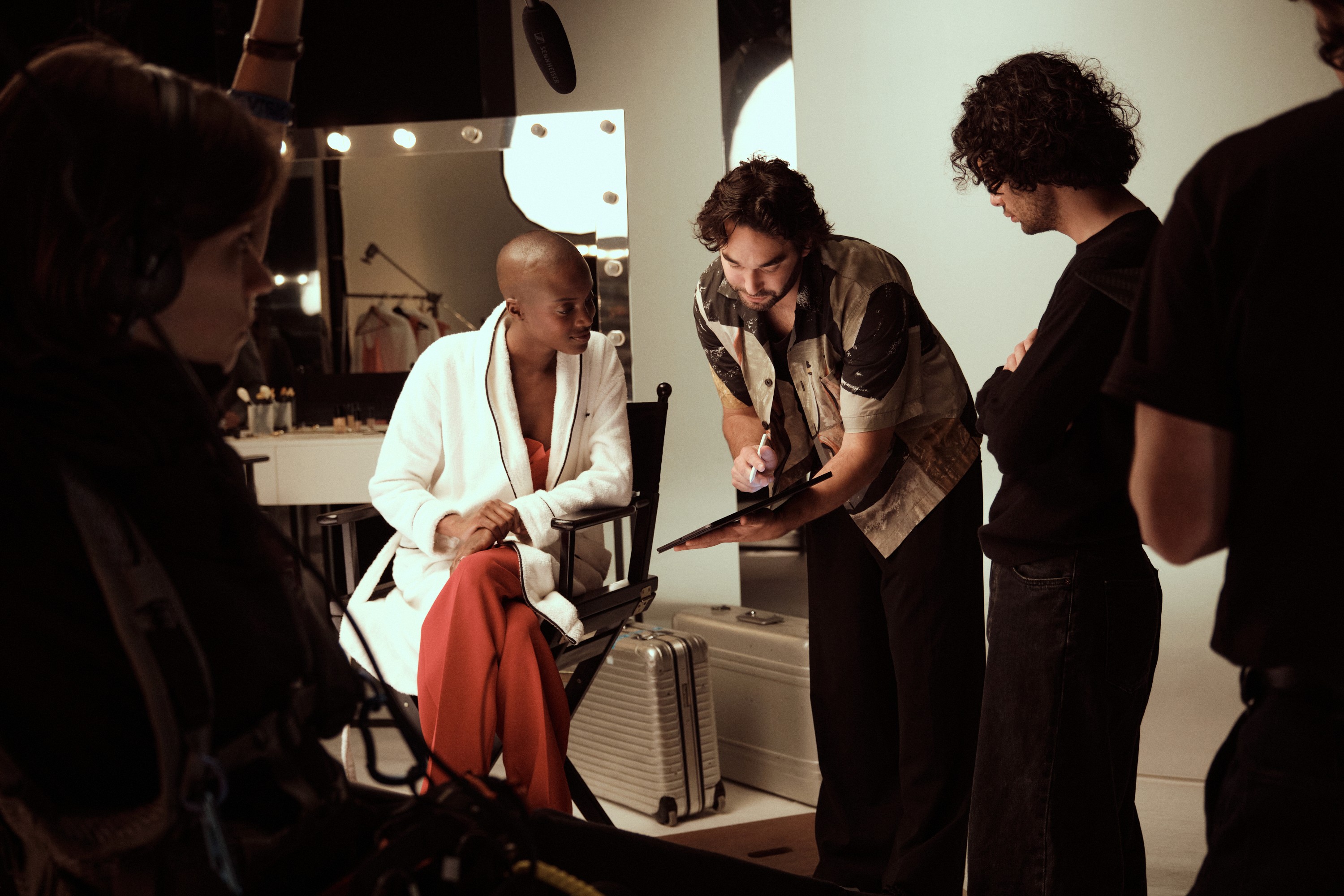
Once talent is in hair and makeup, we walk through the first shot. Blocking is where the director, the DP, and the talent agree on movement, framing, and rhythm. We rarely nail it on the first pass, and that’s expected. The goal of the first setup is to find the shape of the day, not to rush the opening frame.
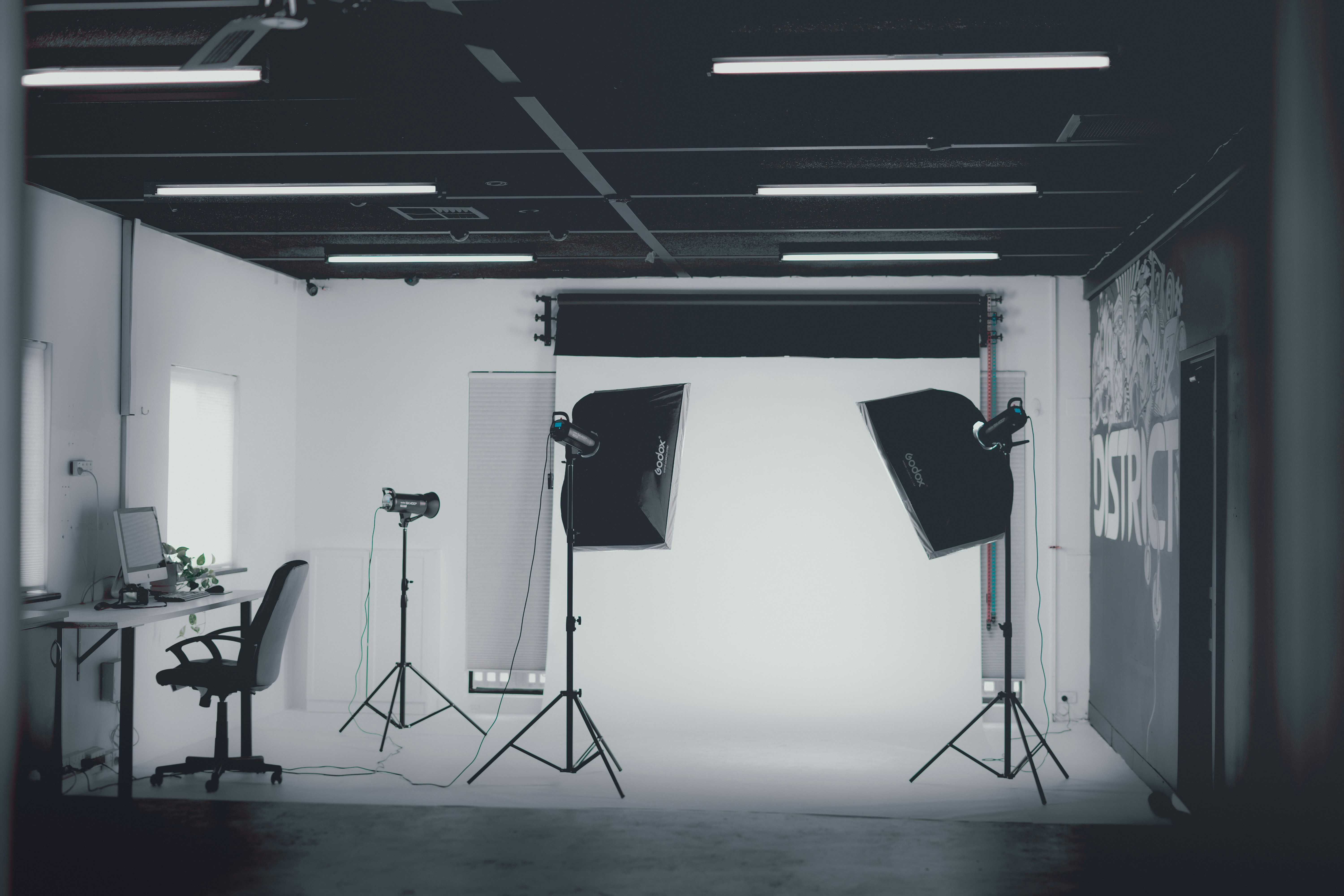
Lighting. The slowest part of any setup, and the one that most defines the look.
Camera. Lens choice, movement, and framing are locked once the light is close.
Sound. Even on a silent product shot, audio is prepped so nothing derails a later take.
Continuity. Someone is always watching for the small details that break a cut.
The middle hours
This is where the real work lives. We move through setups methodically, protecting the shots that matter most and staying flexible on the ones that don’t. A good first assistant director keeps the day on schedule without ever making it feel rushed. When things run behind — and they always do at some point — the team quietly re-prioritises rather than panics.
The best shoot days feel boring to an outsider. Boring means the plan is working.
Wrap
By the final setup, everyone is tired in the good way. We check the shot list one last time, confirm we have coverage, and call the wrap. The location is struck as efficiently as it was built, and the footage begins its journey into the edit. What looked like chaos was, all along, a hundred small decisions made on time.
Anatomy of a single setup
Zoom in on any one shot and you’ll find the same sequence repeating, hour after hour. Understanding it demystifies the apparent chaos of a set.
The roles that keep it moving
The first AD
The heartbeat of the day. They own the schedule, call the rolls, and protect the director’s focus by managing everything the director shouldn’t have to think about.
The gaffer and grips
The people who make light behave. When a setup runs long, it’s almost always because the light is being shaped with care — and that care is exactly what you’re paying for.
The script supervisor
The memory of the production. They catch the continuity errors that would otherwise surface only in the edit, when they’re expensive to fix.
How a take actually happens
The AD calls for quiet and rolls sound and camera.
The director calls action and watches for the moment that matters.
The take ends; the director and DP confer in seconds.
We reset, adjust one variable, and go again — often many times.
You don’t shoot until it’s perfect. You shoot until you have options.
The invisible work between setups
The gaps between takes aren’t downtime — they’re where the next shot is being built. The best crews make that transition look effortless, and it never is.
Related articles
On Craft & Commerce
Stories from set, notes on craft, and the ideas shaping our work.


Fresh thinking from the studio, published regularly.